

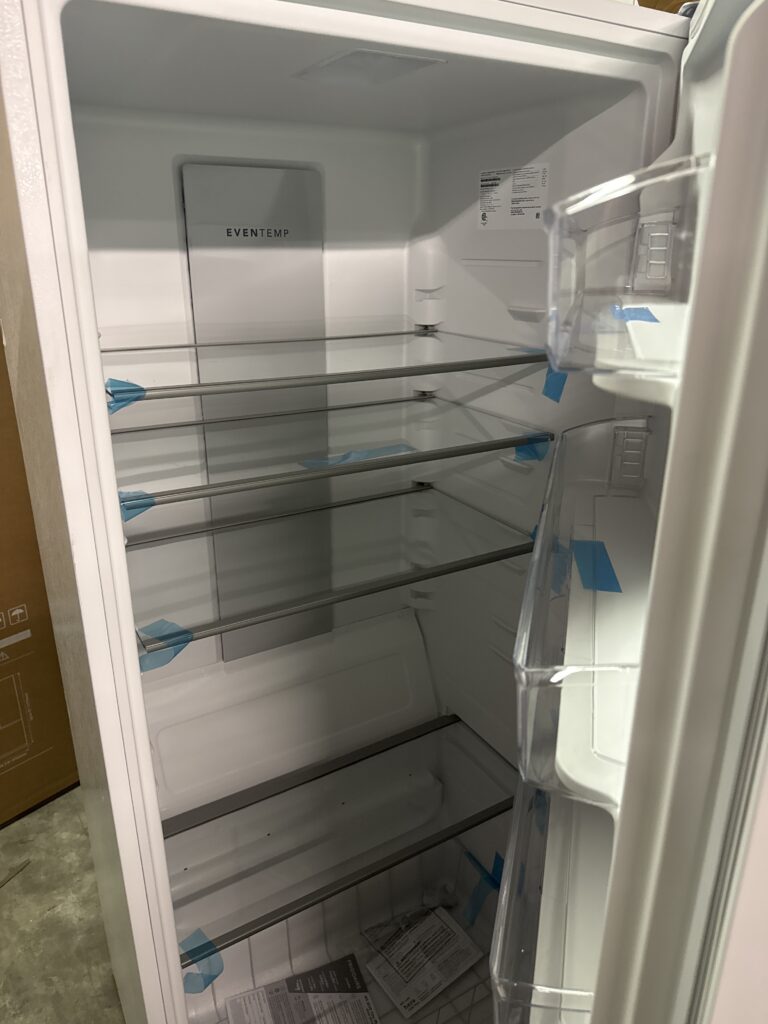
Buying premium gear for your kitchen or laundry room shouldn’t force you to sign away your next paycheck. With retail prices skyrocketing on showroom floors, smart Florida homeowners are skipping the big-box markups. Instead, they are tracking down dependable used home appliances that offer identical performance at a fraction of the cost.
The reality on the ground is simple: a major brand-name machine doesn’t lose its engineering integrity just because it sat in someone else’s clean kitchen for a few seasons. At The Crazy Sales, we source, inspect, and supply top-tier pre-owned inventory built to pull heavy duty for your family.
Key Takeaways
- Slash Upfront Costs: Save up to 50–70% off retail sticker prices on major household brands.
- Prioritize Heavy-Duty Builds: Older, high-end models frequently outlast brand-new budget units.
- Dodge Inflation Metrics: Keep cash in your pocket while outfitting an entire property at once.
- Local Operational Backing: Benefit from real-world testing and available localized warranty coverage in Tampa, FL.
Why Are Homeowners Shifting to Secondhand Machines?
What is driving the massive surge in pre-owned appliance sales?
Skyrocketing retail inflation and supply chain delays are forcing property managers and families to reconsider showroom markups. The shift toward durable used home appliances allows buyers to secure elite, commercial-grade components without paying the predatory premiums demanded by traditional corporate appliance conglomerates.
Here’s the part most contractors won’t tell you: many of these units aren’t worn-out junkers. We routinely uncover immaculate setups pulled directly from luxury real estate stagings, quick structural remodels, or vacation condos down along the Gulf. These machines have barely seen a full load of laundry or a heavy cooking cycle.
From an environmental standpoint, pulling a functioning steel chassis out of the waste stream prevents hundreds of pounds of metal from prematurely rotting in a Florida landfill. It’s a rare win-win scenario where protecting your hard-earned bank account aligns perfectly with sustainable, boots-on-the-ground resource preservation.
What Are the Best Appliance Categories to Buy Used?
Which specific household machines offer the highest secondhand return on investment?
Mechanical systems with heavy steel frames and simple, analog-adjacent engineering hold their functional value the longest. Refrigerators, mechanical washers, heavy-duty dryers, and solid-state cooking ranges are the smartest targets for secondhand buyers because their primary wear-and-tear parts are highly serviceable.
The Strategic Framework: Sourcing the Right Component Class
- Refrigeration Units
- Focus on basic compressor integrity and clean coils rather than digital touchscreens.
- Technical Verification: Verify the structural integrity of the rubberized magnetic door gaskets; a leaky seal will constantly bleed cold air and burn out the motor in the brutal Tampa, FL, humidity.
- Laundry Pairs (Washers & Dryers)
- Prioritize direct-drive motors and heavy-duty steel drums over complex computerized control boards.
- Technical Verification: Run a dry spin cycle to listen for failing tub bearings or worn suspension rods, which usually manifest as a rhythmic, metallic grinding sound.
- Cooking Ranges & Stoves
- Select cast-iron burner grates or thick ceramic glass tops with simple dial controls.
- Technical Verification: Use a digital thermometer to confirm the oven element heats evenly without dropping critical voltage during extended baking cycles.
- Dishwashers
- Target stainless steel interiors over plastic tubs to maximize heat retention and noise dampening.
- Technical Verification: Pull the bottom kickplate to check the main water circulation pump and drainage valves for any historical signs of slow calcification or hard-water weeping.
Which Appliance Brands Hold Up Best Over Time?
What manufacturers should you search for on the secondary market?
Whirlpool, Maytag, GE, LG, and Samsung represent the gold standard for reliable, high-performing pre-owned gear. These legacy brands dominate the market share, meaning their components are widely engineered, highly resilient, and incredibly easy for local service techs to maintain over time.
Structural Breakdown: Brand Integrity vs. Real-World Lifespan
| Brand Group | Core Engineering Strength | Average Secondary Lifespan | Part Availability Status |
| Whirlpool / Maytag | Commercial direct-drive systems, high mechanical torque, minimal unnecessary electronics. | 10–15+ Years | Abundant: Available at any local supply house. |
| GE Appliances | Thick gauge steel construction, ultra-reliable heating elements and stove calibrations. | 9–14 Years | Excellent: Universal fit across multiple generations. |
| LG / Samsung | High-efficiency inverter motors, advanced energy-saving metrics, sleek modern finishes. | 7–12 Years | Good: Readily accessible through licensed distributors. |

How Do You Inspect a Pre-Owned Machine Like a Pro?
What steps are required to ensure you aren’t buying someone else’s mechanical lemon?
A comprehensive physical and operational diagnostic is mandatory before signing any bill of sale. Never rely on clean paint alone; you must systematically test the high-voltage electrical components, check every structural seal, and investigate the historical operating environment of the machine.
- Structural Diagnostics: Check the back cover panels for signs of rust or historical water stains. If an appliance spent time in an unconditioned garage during a swampy Florida summer, the internal wiring harnesses can oxidize quickly.
- Control Interface Test: Depress every single option on the control board. Buttons should feel crisp and tactile, and LED displays must render complete numeric lines without flickering or dead zones.
- History Verification: Ask the vendor directly about the unit’s origin. Legitimate operations will tell you plainly if a machine was a dealer trade-in, a minor scratch-and-dent model, or a fully refurbished unit built out with fresh OEM parts.
Expert Perspective
Pro Tip: When you look over a secondhand washer, physically reach inside and give the drum a firm spin by hand. If it feels completely smooth and virtually silent, the main bearings are healthy. If it sounds like you’re spinning a bucket of rough gravel, walk away immediately. That machine is on the verge of a costly, catastrophic failure.
What Are the Secret Strategies for Finding the Absolute Best Deals?
How can a budget-conscious buyer maximize their purchasing power on the market?
The most reliable deals come from established local showrooms that run dedicated in-house performance checks. Avoiding anonymous internet curb listings protects you from unverified components while unlocking structural perks like bundle pricing and professional delivery options.
- Anchor Your Trust in Local Showrooms: Buying off an unverified digital forum link is a massive gamble. Established local store teams inspect, clean, and back their products because their long-term community reputation relies on it.
- Run a Real-Time Price Matrix: Contrast the secondary asking price against the absolute baseline cost of a brand-new equivalent machine. If you aren’t walking away with a minimum of 40-60% cash savings, negotiate or move to a different unit.
- Prioritize High-Efficiency Yellow Labels: Look for the official EnergyGuide stickers. Securing an energy-efficient inverter model might cost a few extra bucks upfront, but it pays immediate dividends on your monthly utility statement.
- Coordinate Professional Delivery Assets: Large, heavy appliances are remarkably easy to damage during amateur transport. Hiring a team with specialized appliance dollies and lift-gate trucks keeps your home’s door frames intact.
What Major Pitfalls Must You Avoid When Appliance Shopping?
What are the most common mistakes that cost secondhand buyers money?
Ignoring precise physical measurements and failing to verify installation requirements are the most common blunders. Buying an elite machine does you zero good if the physical chassis cannot clear your laundry room doorway or lacks the proper utility hookups.
- Dimensional Blindness: Measure your home’s installation cavity three times before buying. Factor in an extra 2–3 inches of crucial clearance behind the units for heavy drainage lines, copper gas lines, and rigid dryer exhaust vents.
- Skipping Live Testing Verification: Never buy an appliance that is completely disconnected from power unless it’s backed by a bulletproof dealer guarantee. You must see the motor spin, hear the compressor fire up, and confirm it functions under load.
- Overlooking Voltage and Utility Specifics: Confirm whether your property utilizes a 3-prong or 4-prong 240V heavy electrical outlet for laundry setups. Similarly, make sure you don’t accidentally buy a gas range when your kitchen is wired strictly for electric.
Ready to Upgrade Your Home Without Overspending?
Mastering the secondary appliance market comes down to choosing a source that cuts out the gamble. At The Crazy Sales, we eliminate the guesswork by stocking an exceptional inventory of elite, field-tested used home appliances designed to fit your family’s budget. Stop burning hard-earned cash on overpriced corporate showroom floor models when you can secure guaranteed, hard-working machinery right here in town.
Call The Crazy Sales at (888) 895-0033 or visit our local showroom floor in Tampa, FL today to lock down your next kitchen or laundry upgrade before these premium deals disappear.
Frequently Asked Questions
Q: Are used appliances actually worth buying?
A: Yes, buying pre-owned appliances is highly cost-effective. You get commercial-grade construction and high-end brand performance for a fraction of retail pricing.
Q: How long can I expect a secondhand appliance to last?
A: A well-maintained secondhand machine typically lasts 8 to 15 years. Longevity depends primarily on brand build quality and routine maintenance.
Q: What should I check specifically on a used washing machine?
A: Inspect the inner drum, verify the cycle operations, and check all intake valves. Listen for loud vibrations that point to bad shocks or damaged tub bearings.
Q: Can buying a used machine actually lower my monthly utility bills?
A: Yes, if you select pre-owned units with certified high-efficiency ratings. Modern inverter-driven secondhand appliances use significantly less power and water than older legacy units.
Q: Where is the safest place to buy reliable used home appliances?
A: Licensed local appliance showrooms provide the safest consumer experience. Smart regional buyers rely on the team at The Crazy Sales for dependable, fully inspected options.